
2 November 2026 · 5 min read
Get your cool room ready for summer
A pre-summer cool room checklist for pubs, cafés and guesthouses. What to look at yourself, and what to leave for us.
By Mick McDonald, SPA Refrigeration
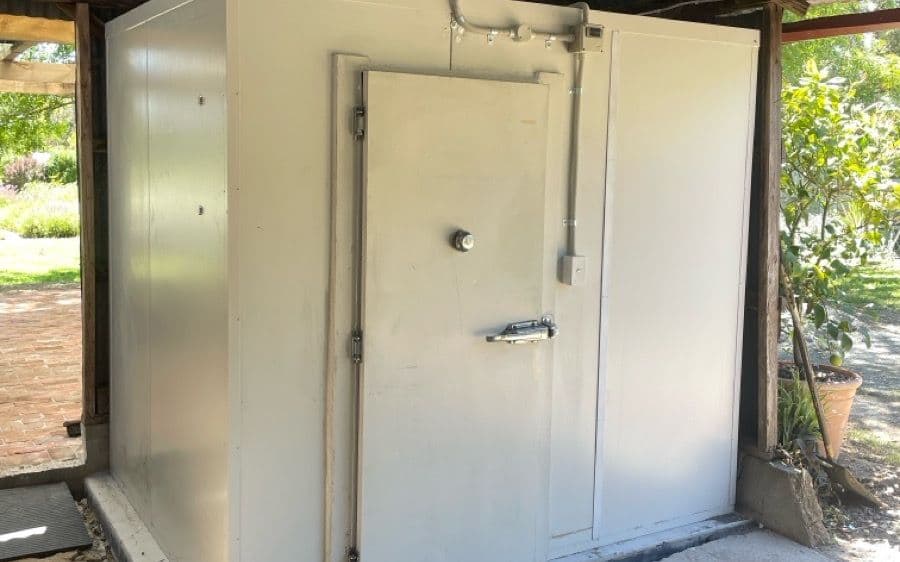
A cool room does its hardest work in January. The air around the condenser is hotter, the door opens more often, deliveries are bigger and the room is fuller than at any other time of year. A system that ticked along all winter can struggle the first week it sees a run of hot days.
Most of what decides how a cool room copes with summer can be seen on a quiet morning in November. Here is the list we would work through, in the order we would do it. None of it needs tools, and none of it needs you to open anything.
1. Walk out to the condenser
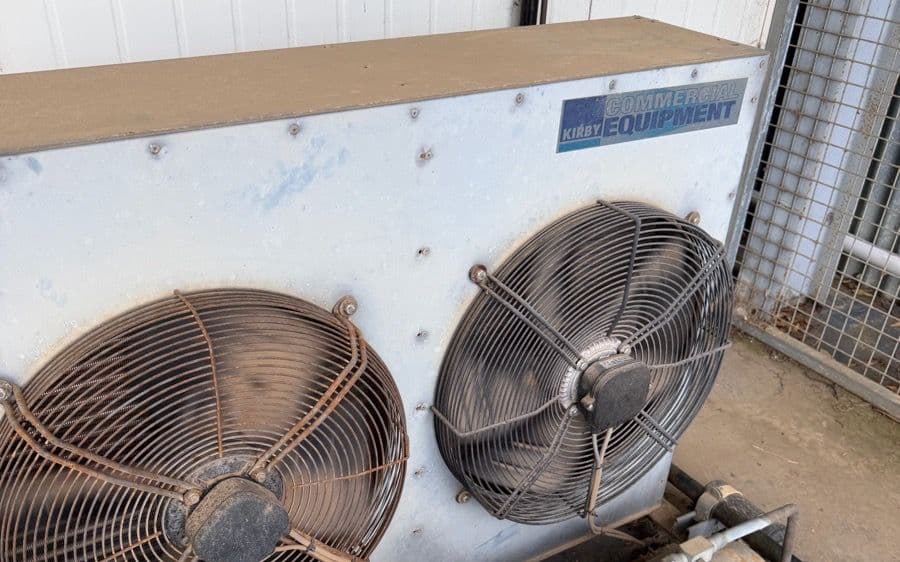
The condenser is the part that throws the heat out of the room. On most cool rooms around here it sits outside: on a wall, on a roof, or tucked behind the kitchen. In summer the air it uses is already warm, so anything that slows it down shows up quickly.
Look for:
- leaves, cobwebs and dust packed into the fins
- crates, kegs, bins or a new fence pushed hard up against it
- shade cloth or a lean-to that traps its warm exhaust so it breathes its own heat back in
- plants that have grown into it since last summer
Clear what is around it by hand. Leave the coil, the fans and anything behind a cover to us. A coil can look clean on the face and still be packed solid further in, and cleaning it properly is part of a service.
2. Check the door shuts on its own
Every time the door opens, warm and moist air comes in, and the system has to pull that heat and moisture back out. Summer means more openings, so the door has to close properly every single time.
- Open it fully and let go. It should swing shut and seal without a push.
- Run your hand around the seal. Torn, flattened or split sections leak all day and all night.
- Look for frost or water on the frame next to the seal. That is usually a gap.
- If you have a strip curtain, check every strip is there, hanging straight and reaching the floor.
Seals, hinges and closers are small parts and a quick job on a service visit.
3. Give the evaporator room to breathe
Inside the room, the evaporator is the unit with the fans, usually up near the ceiling. It blows cold air around the room, and it needs space to do it.
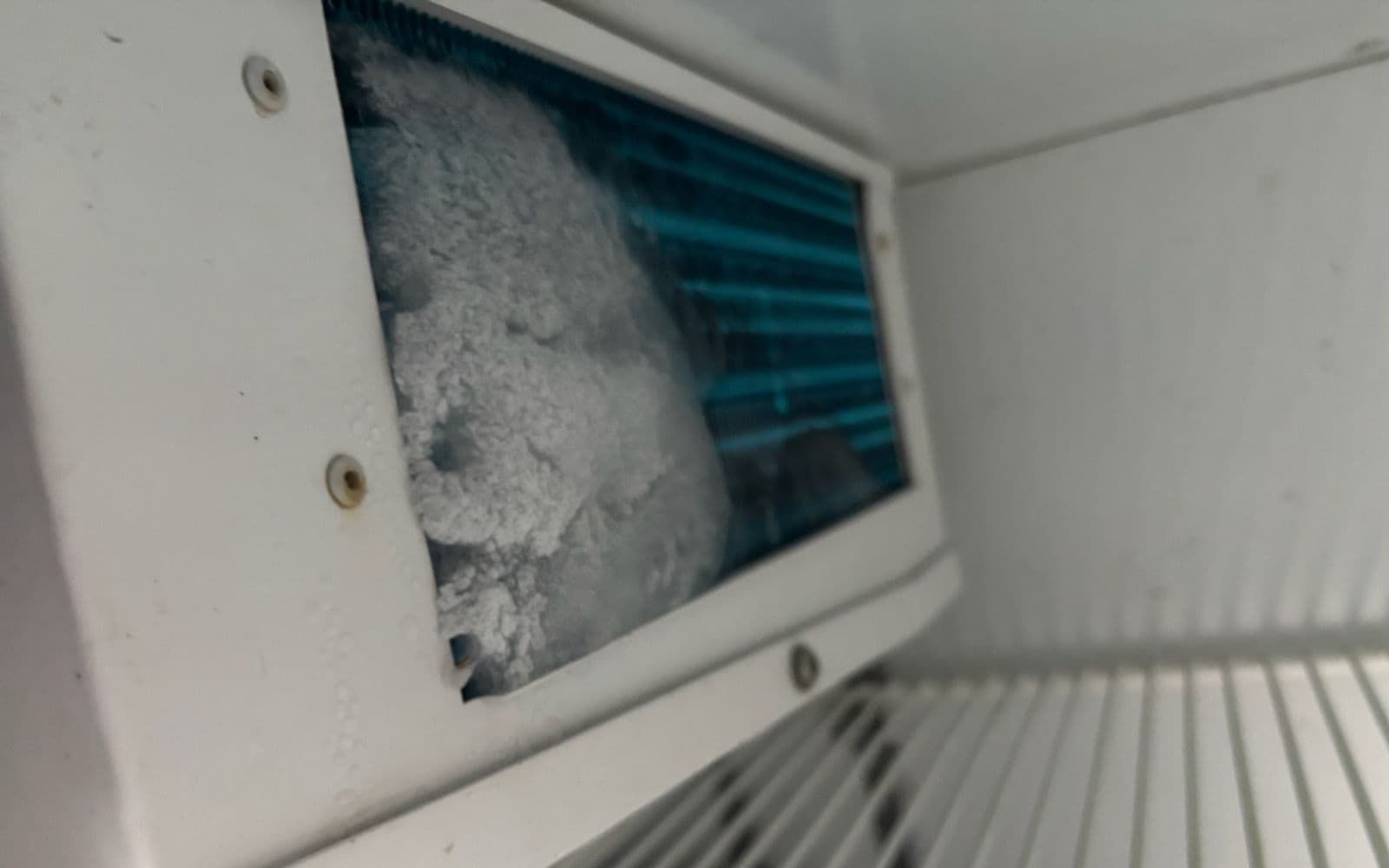
Keep stock clear of the front of the fans, leave gaps between boxes on the shelves and keep the top shelf below the air flow. Have a look at the coil behind the fans while you are there. A light, even frost can be normal between defrosts. A solid block of ice is a problem, and we have written about the causes in why a cool room ices up.
4. Check the thermometer, and check the food
Food Standards Australia New Zealand says potentially hazardous food must be kept at 5°C or colder, and that a business handling it must have a probe thermometer accurate to within 1°C either way. The display on the cool room wall tells you the air temperature where its sensor sits. It does not tell you the temperature of the food.
Before summer, probe a few items from different spots in the room, near the door, at the back, on the top shelf, and compare them with the display. If the food and the display disagree, or one corner is always warmer, tell us when you book.
5. Plan how the deliveries come in
FSANZ also says food has to be kept under temperature control when it is received, not just once it is on the shelf. In practice that means getting deliveries into the cool room quickly, rather than leaving pallets on the back step while the lunch rush finishes.
If your kitchen cools cooked food in the cool room, follow your food safety program for how that is done. A large tray of hot food is a big load on a small system.
6. Look at the floor and the drain
The evaporator makes water when it defrosts, and that water has to drain away. Water pooling on the floor, ice building up under the evaporator or a drip that lands on stock all point to a drain that is blocked or a heater that is not working. Wipe it up, keep stock away from it and mention it when you call.
7. Listen, then book
Stand in the room for a minute. A new rattle, a rough fan, a system that never stops running or one that starts and stops every few minutes are all worth a call now.
The best time to book a service is before the first hot week, not during it. Once summer arrives, every refrigeration mechanic in the district is busy. If you would rather not think about it each year, have a read of planned maintenance for hospitality, and if your cool room is already running warm, start with what to check when a cool room warms up.
If you would like us to look over your cool room before summer, get in touch or ring 0417 734 206, Monday to Friday, 8:00am to 4:30pm. We will book you into a window on a set day and let you know who is coming. You can read more about the refrigeration work we do.
Mick McDonaldSPA Refrigeration & Air Conditioning
Want a hand with yours?
We install and service heating, cooling and refrigeration across Central Victoria from our base in Hepburn.