

Solar & battery
Run the air con off the roof.
We stick to what we're good at — but the two go together, so here's the honest version of how, and who we'd send you to.
Why they suit each other
A reverse cycle system does its heaviest work in the middle of a summer day — which is exactly when a roof full of panels is producing the most. Run the cooling off your own generation and a good chunk of it costs you nothing.
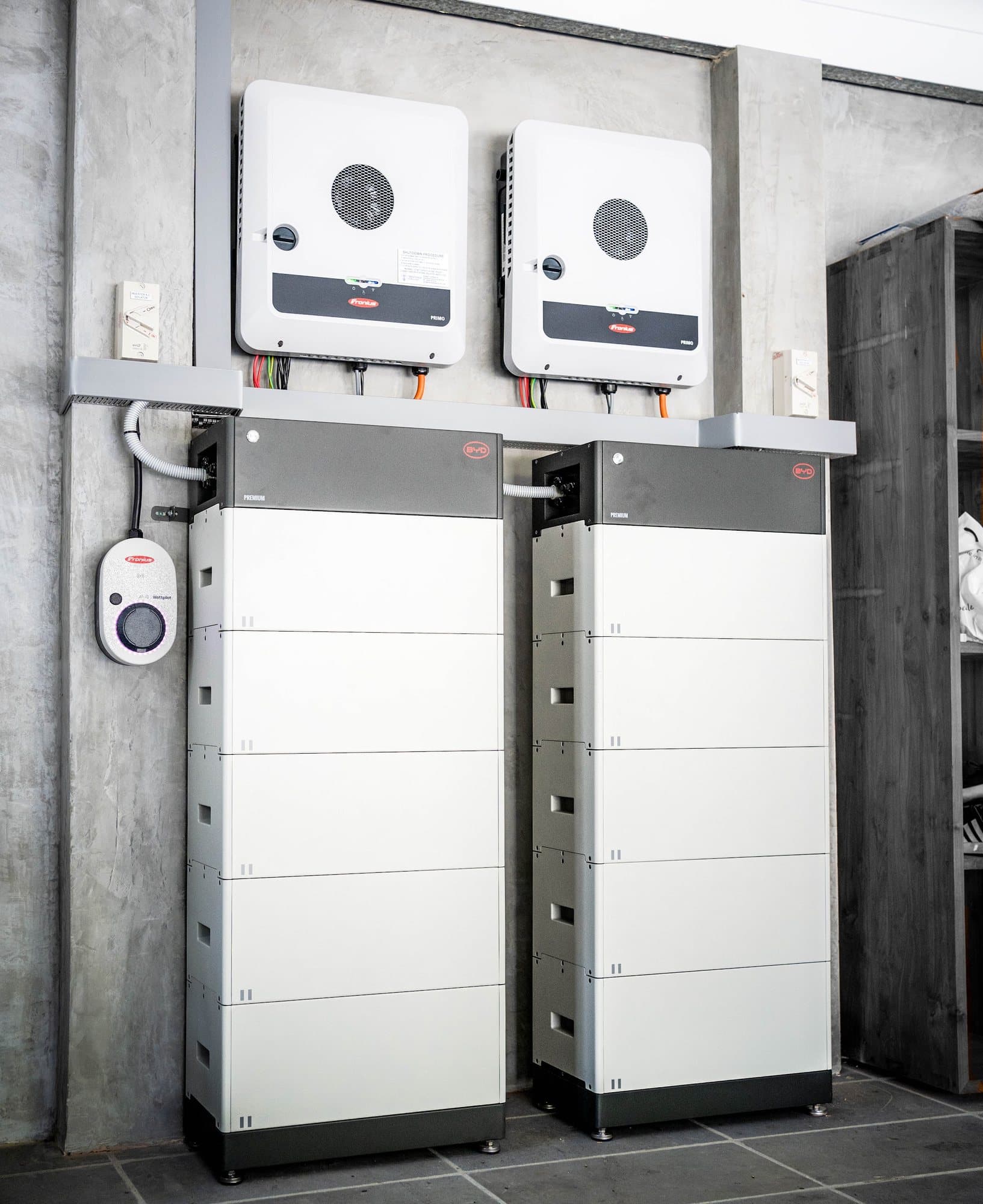
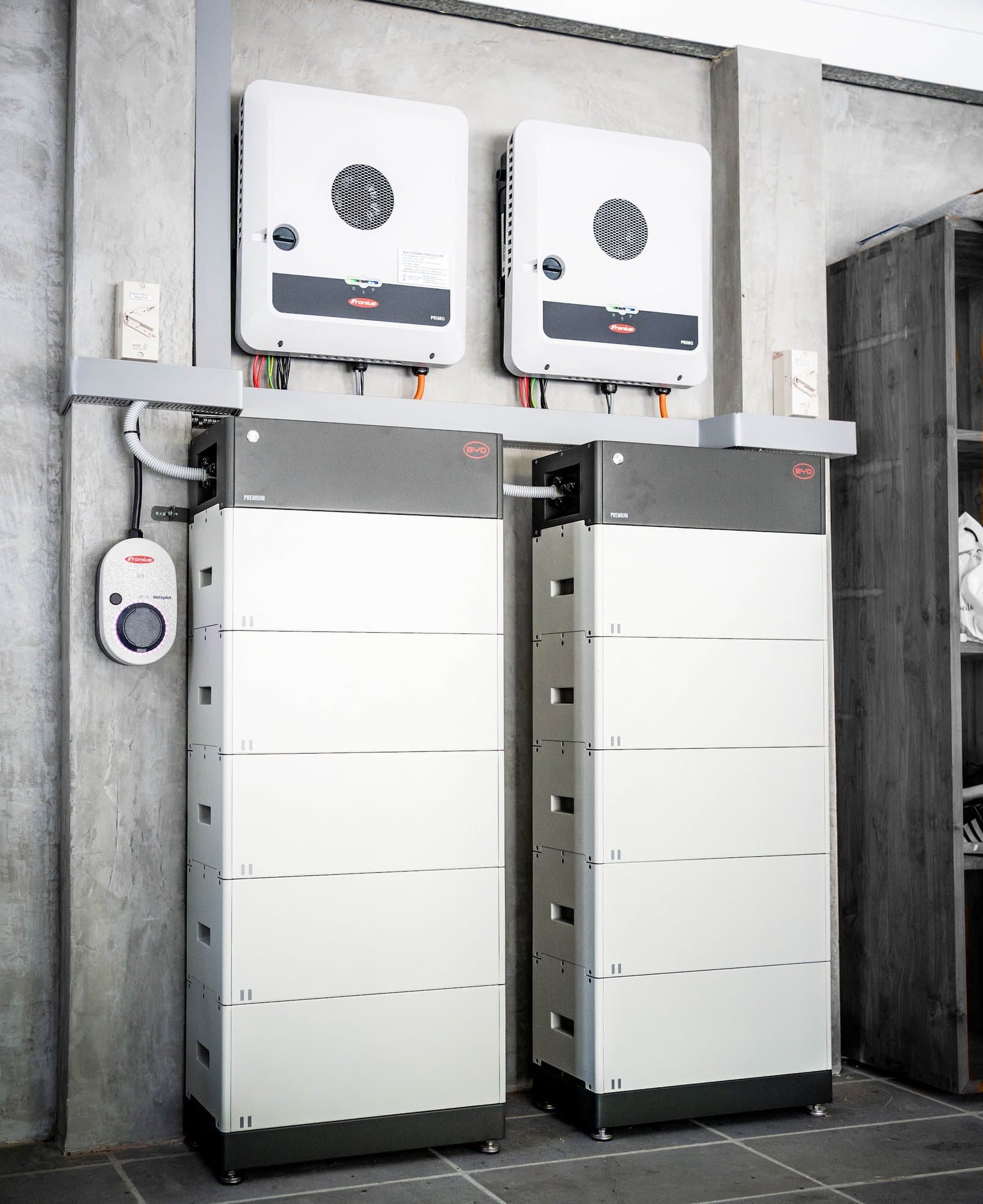
Winter is a different shape — the heating load is early morning and evening, when the panels are quiet. That is where a battery starts to matter, and where it stops being our conversation and starts being theirs.
Get the heating right first
One thing worth saying plainly: swapping gas heating for reverse cycle saves you money whether or not you ever put a panel on the roof. Solar makes a good decision better — it does not make a bad system good.
So if you are doing both, do the heating properly and size it to the house. Then let the solar people size the array around a load that actually makes sense.
Who we’d call
Trentham Energy
Solar, batteries and off-grid across Central Victoria. They are the ones we send our own customers to — and we have worked on the same houses often enough to know the job gets done properly.
Visit Trentham EnergyTheir work, not ours
What a good one looks like.
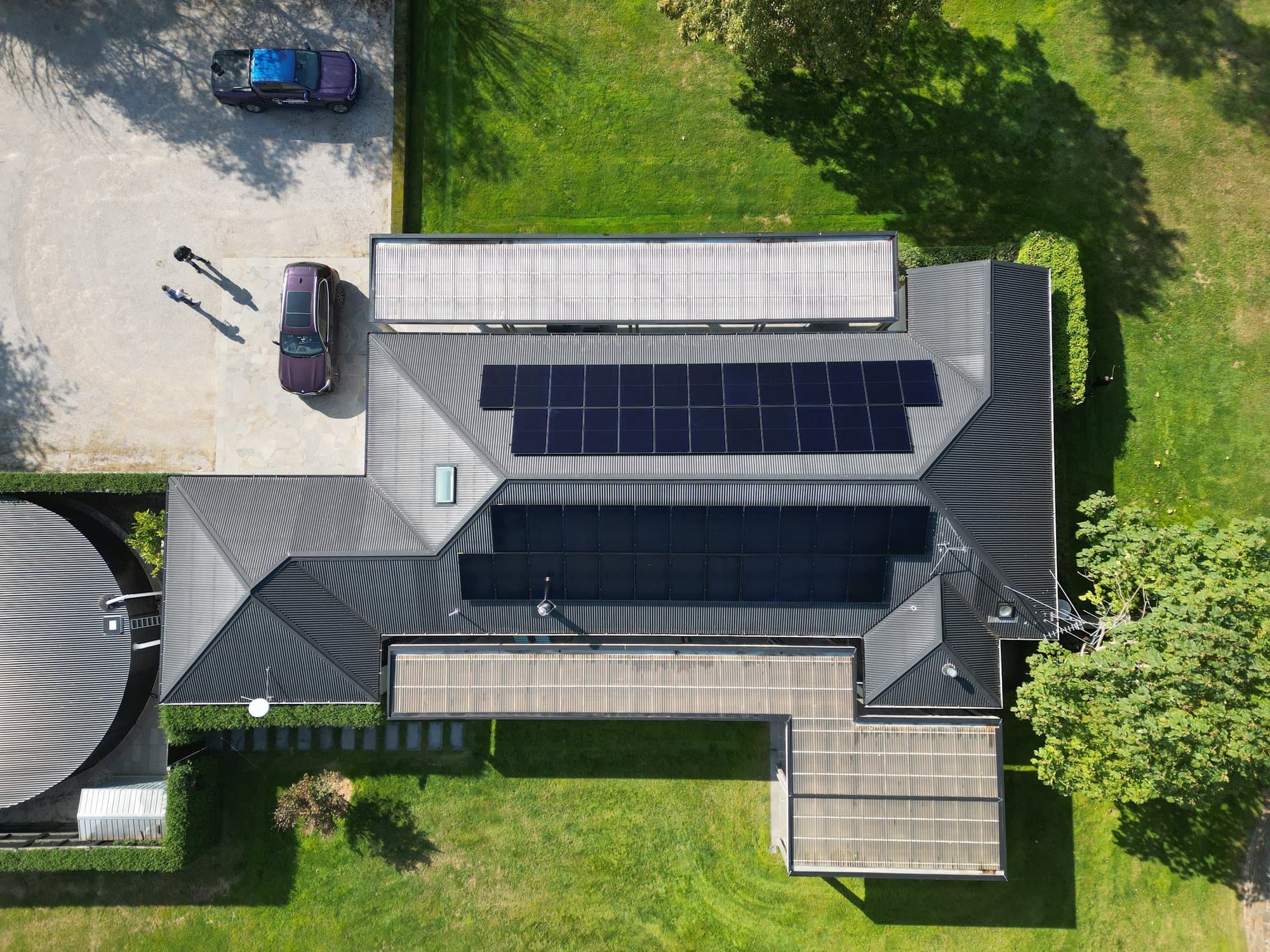
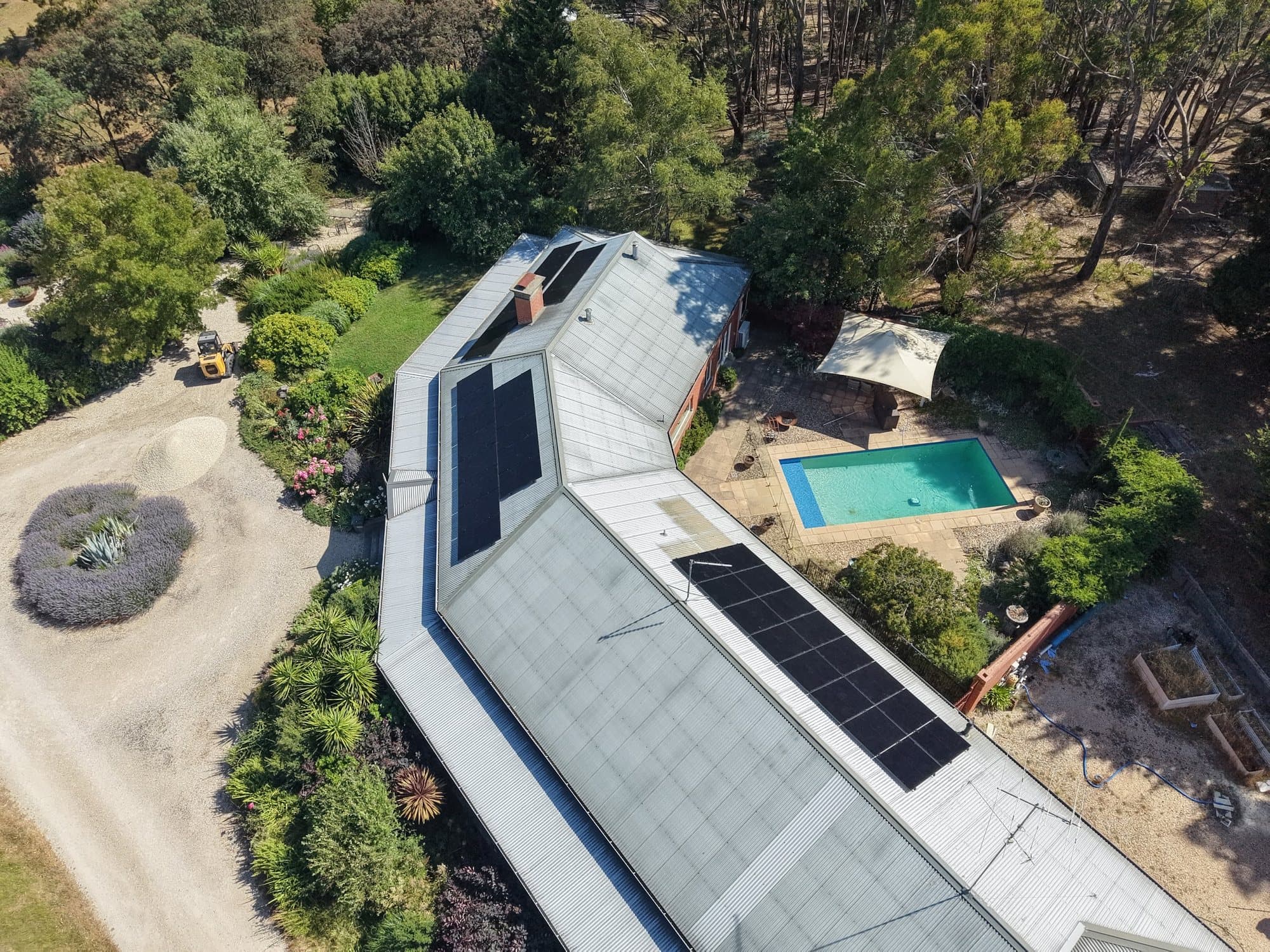
These are Trentham Energy installs across Central Victoria — solar, batteries and off-grid. We have worked on plenty of the same houses.
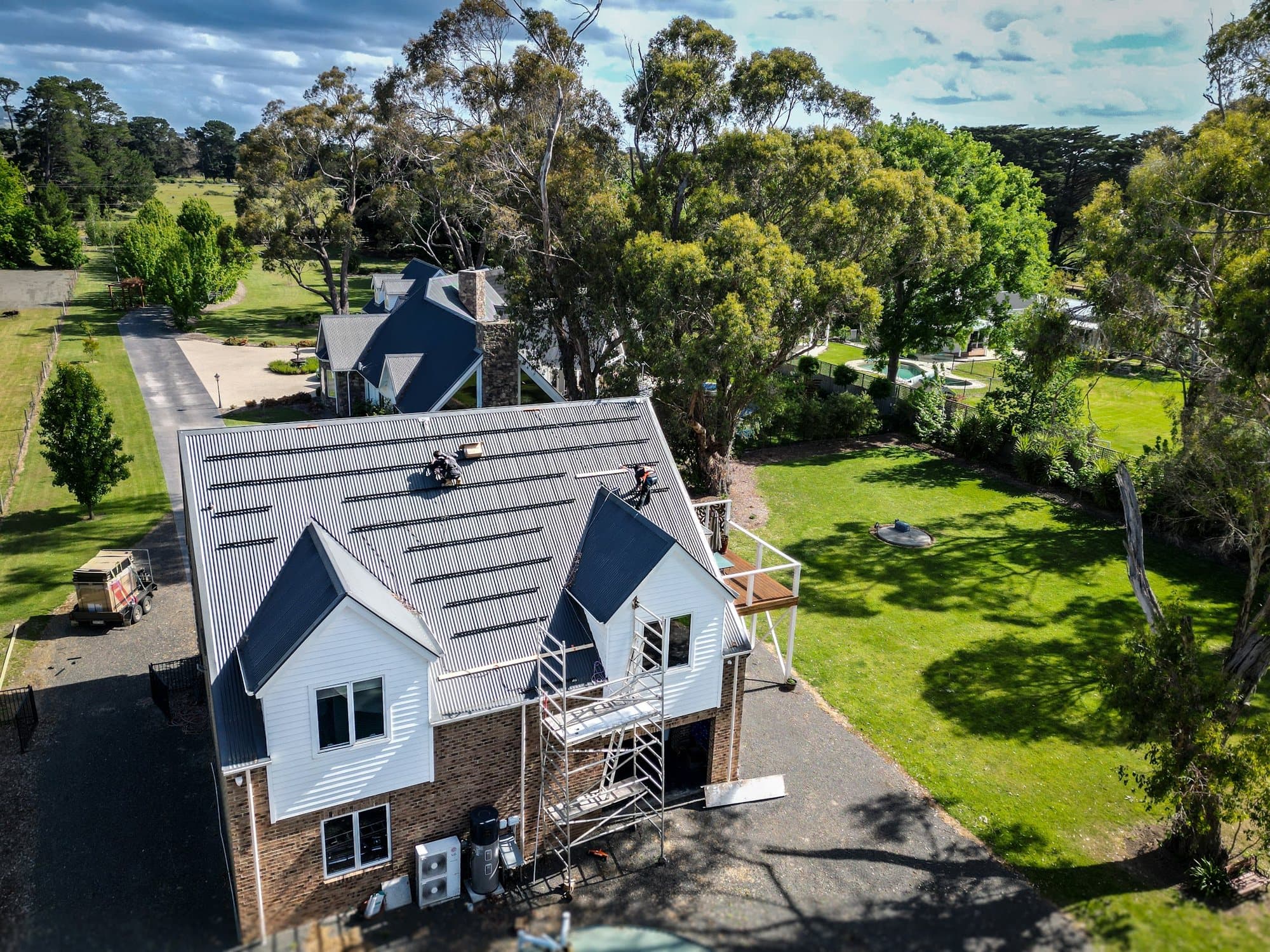
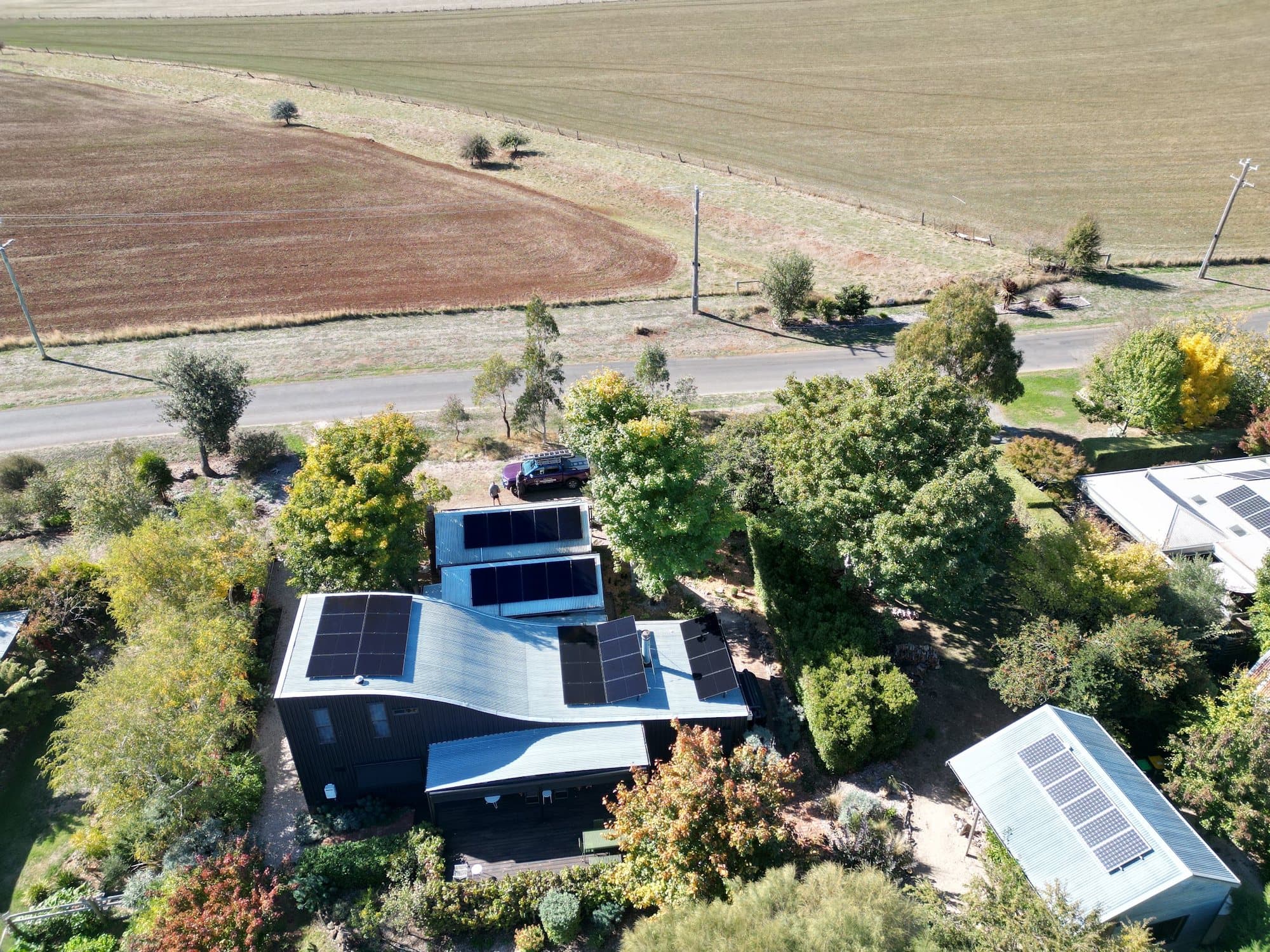
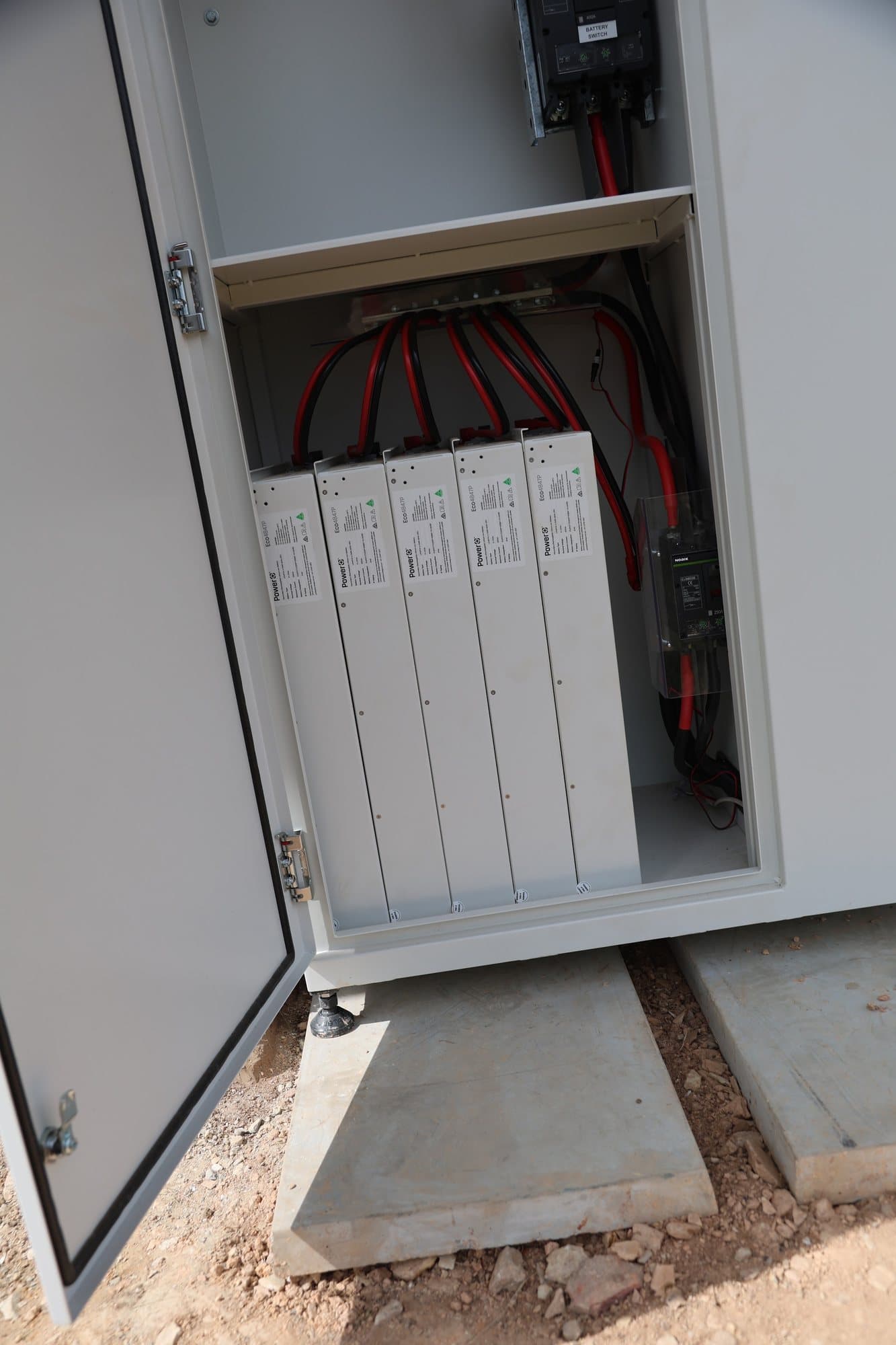
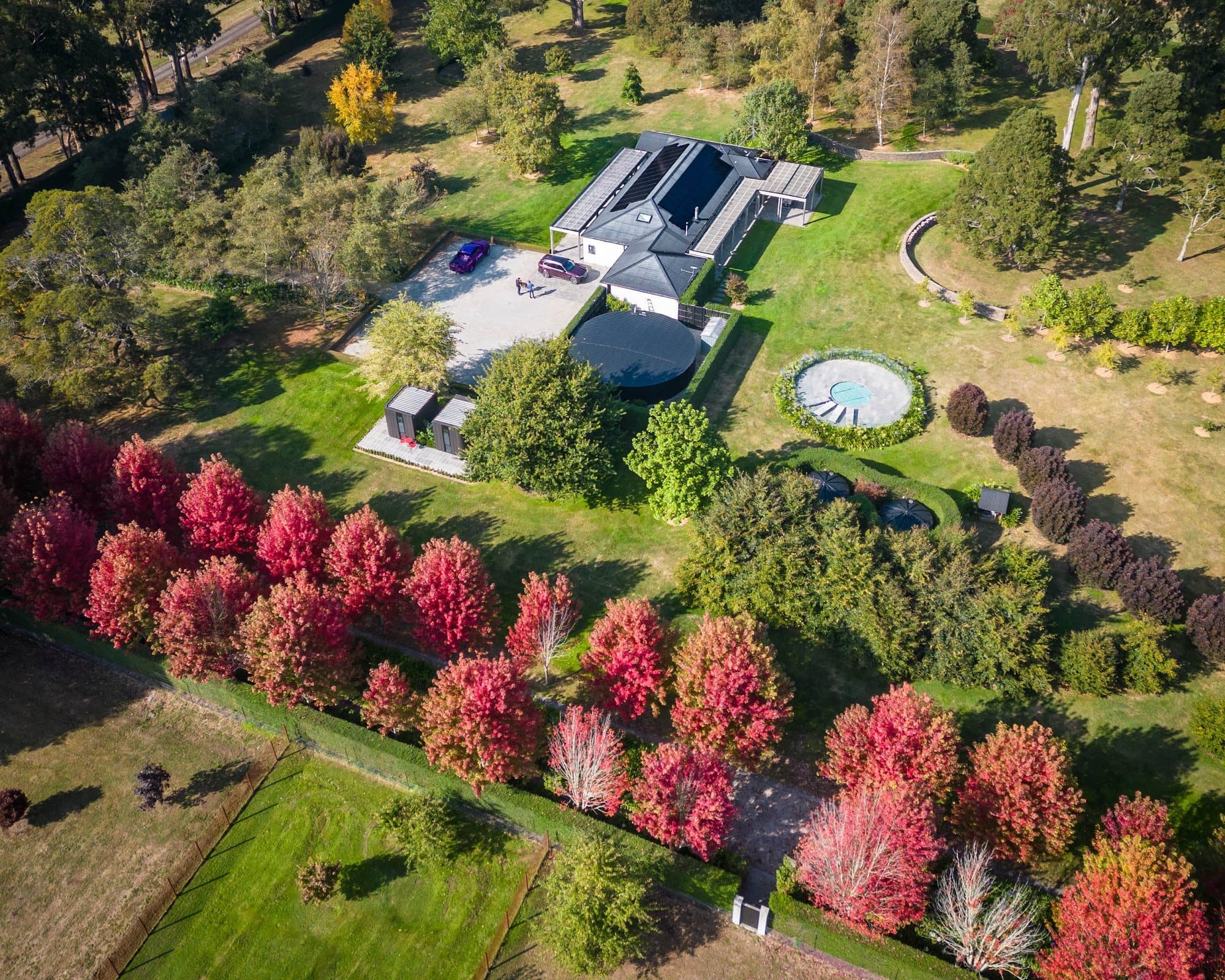
Photos: Trentham Energy.
Gas vs electric
Before the panels, there’s this.
A reverse cycle system moves heat rather than burning anything, so it puts out three to four times more warmth than the electricity it draws. Here is what that is worth on the bill and on the carbon — on Sustainability Victoria’s own figures, before you generate a single kilowatt yourself.
Split systemsMulti-split reverse cycle, 2.5 star
$923
Ducted reverse cycleDucted reverse cycle, best rated
$1,318
Gas ductedGas ducted, 6 star
$2,299
Going with split systems over gas ducted is $1,376 a year — about 60% off that bill. Up here in the ranges it runs higher again — Sustainability Victoria says multiply by about 1.5 for a cold climate like Ballarat.
Figures: Average pre-2005 home, Melbourne climate, heated to 20°C. Energy prices mid-2025. Emissions are greenhouse gas over 10 years. Source: Sustainability Victoria, a year.