
7 September 2026 · 5 min read
Common commercial fridge faults in pubs and cafés
The faults we see most in underbench, display and bar fridges, why they happen in busy venues, and the small habits that prevent them.
By Mick McDonald, SPA Refrigeration
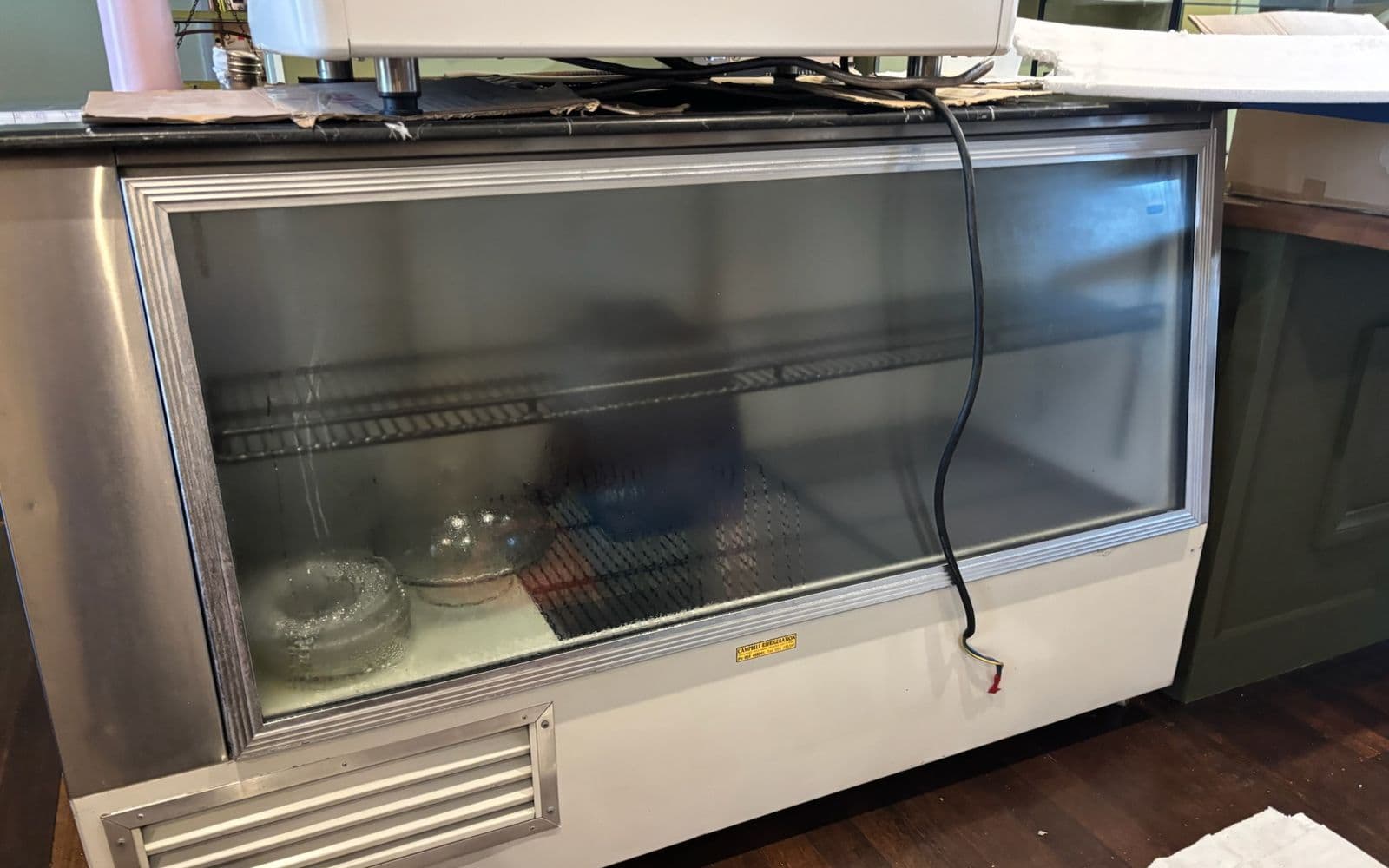
The fridges in a pub or café have a hard life. They are opened hundreds of times a shift, packed into joinery with no room to breathe, parked next to fryers and dishwashers, and expected to hold temperature in a kitchen that is sweltering by the end of a busy lunch. Most of them are self-contained, which means the compressor and the condenser that throws out the heat are built into the cabinet itself, usually behind a grille at the bottom or on top.
Most faults come back to that combination: lots of use, warm air and not much room. Here is what we find, fridge by fridge.
Underbench fridges
These sit at knee height on the line, right where the heat, the grease and the flour are.
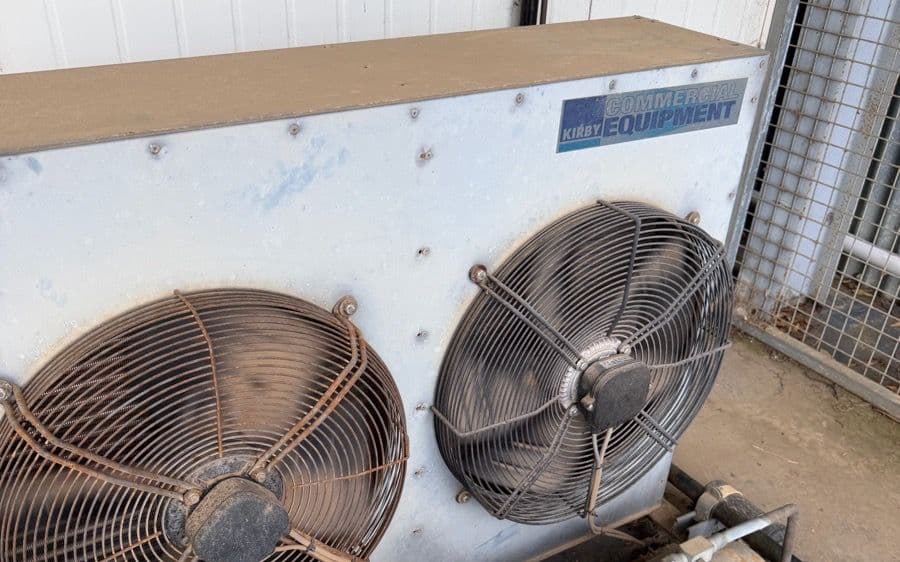
The condenser clogs. The condenser grille on an underbench fridge sits close to the floor and draws in whatever is in the air. In a kitchen that means grease, lint and flour, which bake onto the fins into a felt. Once the condenser can't get rid of heat, the fridge runs longer and longer, then can't keep up at all on a hot day. This is the most common cause of a warm underbench fridge we see.
Door seals tear. Doors and drawers get kicked shut with full hands. Seals split at the corners or pull away from the frame, and warm air leaks in all day.
Drawers stop sealing. Runners wear, drawers sag, and the seal no longer meets the cabinet. You can often see a line of frost or water along the gap.
Upright display fridges
Glass door display fridges hold drinks and grab-and-go food, often near a window or the front door.
They sit in the sun. A display fridge in a shopfront window can spend the afternoon in direct sun, and it has to work much harder to hold temperature.
The doors fog up. Many glass doors use small heaters to keep condensation off the glass. When one fails, the door fogs or drips, and customers can't see what is inside.
The fans fail. The evaporator fan inside moves cold air through the cabinet. When it stops or slows, the top shelves warm up first and the coil can ice over. A fan that sounds rough or noisy is often on its way out.
Bar and back bar fridges
Bottle fridges under the bar are the ones most often built into tight joinery.
They can't breathe. A fridge slotted into a cupboard with no gap around it, or with the vents covered by a kickboard, recirculates its own hot air. It will run, but not well, and it will wear out sooner. If a bar is being refitted, ask the joiner to keep the fridge's ventilation clear. The manufacturer's installation instructions say how much space it needs.
They get overloaded. A fridge loaded with warm stock before a big night takes a long time to come down, and the bottles at the front never do. Rotating stock so the cold product is at the front and new stock goes in early helps more than turning the thermostat down.
Faults that show up in any cabinet
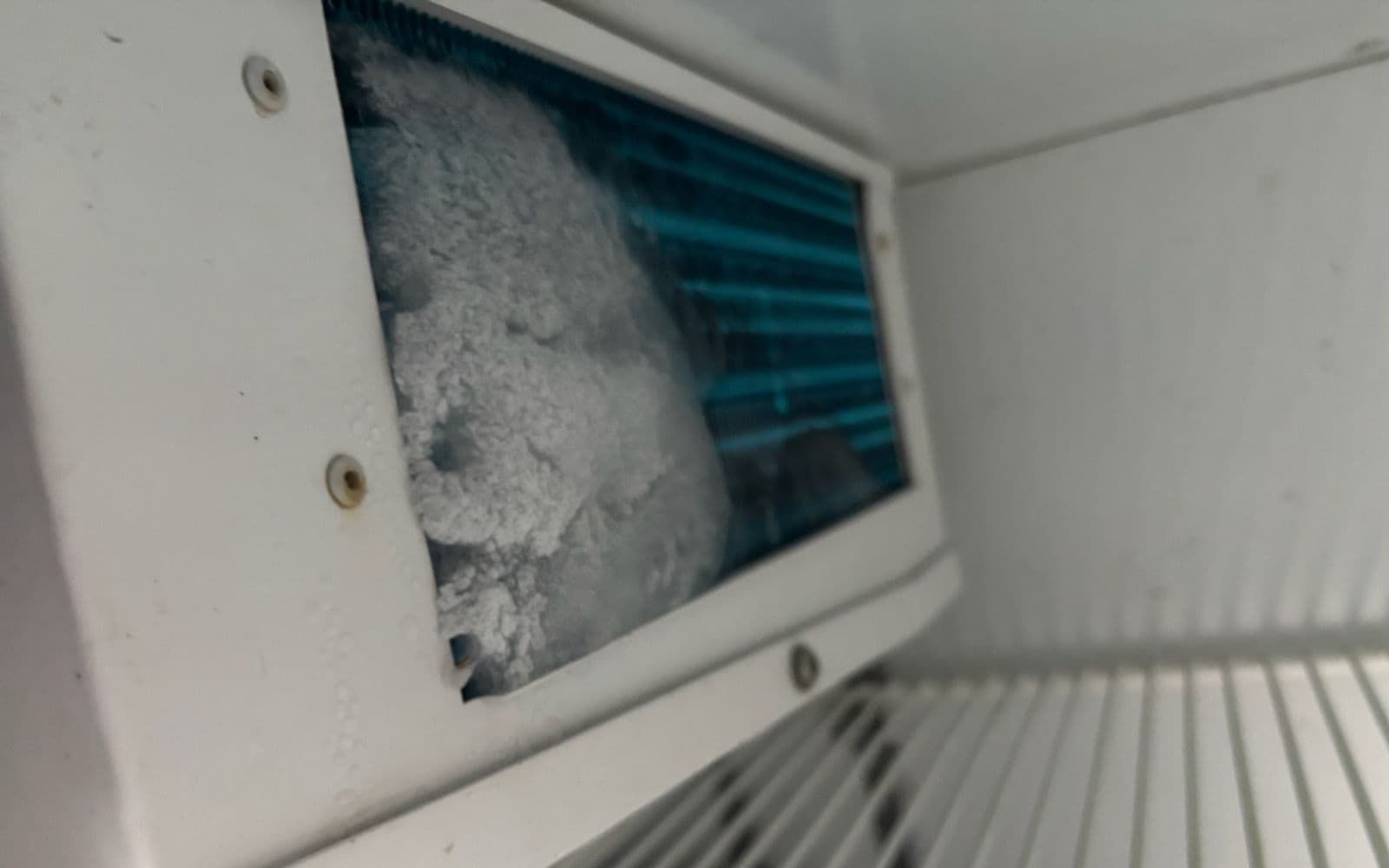
- Ice on the coil, from torn seals, failed fans or a defrost that is not working. We cover the causes in why a cool room ices up, and the same ideas apply to a cabinet.
- Water on the floor, usually a blocked drain or an evaporation tray that has overflowed.
- Short cycling, where the compressor starts and stops every few minutes. This can be a controller fault, a dirty condenser or a gas problem.
- A fridge that runs and runs but never quite gets there, often a dirty condenser, a slow fan or low gas.
Small habits that prevent most of this
- Keep the condenser grille clear and tell us if it is caked. A brush across the grille itself is fine, but leave anything behind a cover to us.
- Leave room around every self-contained fridge for air to move.
- Check door seals when you clean. Split or flattened seals are a small part and a quick job.
- Don't stack stock against the fan inside.
- Use a probe thermometer. Food Standards Australia New Zealand says potentially hazardous food must be at 5°C or colder, and that the thermometer built into a cabinet measures the unit's air temperature, not the food. Probe the food now and then and compare.
When it does fail
Before you call, note what the thermometer reads, whether the compressor is running (you will usually hear it), and whether you can hear the fan inside. Move high risk food somewhere cold. Don't open covers or touch the pipework.
Repairs are charged as a service call: the call-out, the time on site and any parts. If a fridge is old enough that a repair stops making sense, we will tell you plainly and talk through replacing it. A replacement is measured up and quoted before anything is ordered.
For a venue with several fridges, a cool room and a beer system, a regular service is usually far easier on the stock and the staff than waiting for things to fail. Have a read of planned maintenance for hospitality or our repairs and maintenance page, and when you are ready, get in touch or ring 0417 734 206.
Mick McDonaldSPA Refrigeration & Air Conditioning
Want a hand with yours?
We install and service heating, cooling and refrigeration across Central Victoria from our base in Hepburn.