
30 August 2026 · 4 min read
Why reverse cycle heating costs less to run than gas
Sustainability Victoria's figures put reverse cycle well ahead of gas ducted on running costs. What the numbers mean for a cold house in the ranges.
By Mick McDonald, SPA Refrigeration
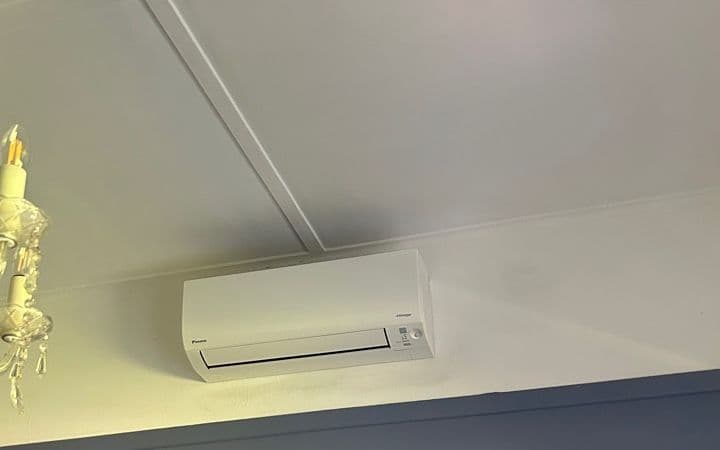
We get asked about heating costs more than almost anything else, usually in August, usually by someone holding a gas bill. The most useful answer we know of isn't ours. Sustainability Victoria publishes yearly running cost estimates for the main kinds of home heating, and the gap between reverse cycle and gas is bigger than most people expect.
What the table says
Sustainability Victoria's figures are based on mid-2025 energy prices and an average Melbourne home built before 2005, heated to 20 degrees. They are yearly running costs for heating only.
For a small home of about 100 square metres, heating with split systems comes out at around $513 a year. Ducted reverse cycle is about $721. Gas ducted with a 6 star rating is about $1,540.
For a medium home of about 160 square metres, split systems come to around $923 a year, ducted reverse cycle $1,318 and 6 star gas ducted $2,299.
For a large home of about 220 square metres, split systems are around $1,269 a year, ducted reverse cycle $1,813 and 6 star gas ducted $3,036.
In every size, gas ducted costs well over double what split systems do to run, and noticeably more than ducted reverse cycle.
Now adjust for up here
Those figures are for Melbourne. Sustainability Victoria suggests multiplying Melbourne heating costs by about 1.5 for a cold climate like Ballarat, and the ranges around Daylesford, Trentham and Hepburn run just as cold, with long winters and plenty of frosty mornings.
Multiplying every line by the same amount doesn't change the order. It does make every dollar gap between the options bigger, which is why the question matters more here than it does in the city.
Why the difference is so large
A gas heater makes heat by burning gas. A reverse cycle air conditioner doesn't make heat at all. It moves heat that is already in the outside air into the house, the same way a fridge moves heat out of its cabinet, just pointed the other way. Renew, the not for profit behind Sanctuary magazine, puts an air conditioner's electrical draw at roughly its rated output divided by three to five. In plain terms, for each unit of electricity it uses, it delivers several units of heat into the room.
Like any heat pump, it works harder when it is colder outside. On a still, frosty Trentham morning a reverse cycle system is doing tougher work than one in Melbourne. That is why the choice of unit matters in the ranges. Some models are built and rated to keep heating well in cold conditions, and we cover one range in Mitsubishi Electric split systems for cold winters.
Split systems or ducted
The table shows split systems as the cheapest to run in every size of home. That is largely because you heat the rooms you are in, not the whole house. A living area with a good split system and the doors closed is a very efficient way to keep warm.
Ducted reverse cycle costs more to run than splits but heats the whole house from one system, and zoning lets you shut off the rooms you aren't using. It is still well under gas ducted on Sustainability Victoria's numbers. If you already have gas ducted, whether the existing ducts can stay is the obvious next question, and we go through it in replacing old gas ducted and reusing the ducts.
One thing to know when comparing ducted models: the federal Energy Rating calculator notes that ducted air conditioners don't have to carry star ratings or energy labels. Ask for the published heating capacity and efficiency figures for the model you are being offered, and compare those.
Getting the most out of reverse cycle
How you run it makes a difference too:
- Set it to a sensible temperature. The Energy Rating calculator suggests 18 to 20 degrees for heating, and says each degree higher can add about 10 percent to your electricity bill.
- Keep the filters clean. A blocked filter is the most common reason a heat pump stops keeping up.
- Close doors to the rooms you aren't heating.
- Let it run steadily on cold days rather than switching it off and starting from a cold house each time.
What the table doesn't cover
These are running costs only. They don't include the cost of a new system, and they don't include the daily supply charge on a gas account, which keeps coming as long as you are connected, whatever you use. If heating is your biggest gas user, replacing it is often the first step toward dropping gas altogether, which we cover in going all electric and dropping the gas connection.
Discounts may also apply. Under the Victorian Energy Upgrades program, an accredited provider can apply a discount when gas heating is replaced with an eligible reverse cycle system. We explain how that works in the VEU discount for replacing gas heating, and you can ask us if your job is likely to qualify.
Every house is different, so we measure up and work out the heating load before recommending anything, and quote it before anything is ordered. If you'd like us to have a look, get in touch or call 0417 734 206.
Mick McDonaldSPA Refrigeration & Air Conditioning
Want a hand with yours?
We install and service heating, cooling and refrigeration across Central Victoria from our base in Hepburn.