
29 July 2026 · 4 min read
Sizing ducted heating for the cold, heating first
Why a ducted reverse cycle system in the ranges is sized for a frosty morning, not a hot afternoon, and what goes into getting the number right.
By Mick McDonald, SPA Refrigeration
In Melbourne a ducted system is often sized for summer and the heating comes along for the ride. Up here that gets it backwards. Around Daylesford, Trentham, Glenlyon and Blackwood, the hardest job a system does all year is a still, frosty July morning when the house has cooled overnight and everyone wants it warm by breakfast. Size for that, check it handles summer, and you will be comfortable all year.
How much colder it is
Sustainability Victoria suggests that for a cold climate like Ballarat, you multiply Melbourne heating costs by about 1.5. The ranges sit in that kind of climate. That is a rough guide to how much more heating work the house asks for over a year, and it is a fair warning that a Melbourne rule of thumb will come up short here.
Why the heating number is the one that matters
A reverse cycle unit is a heat pump. It pulls heat out of the outdoor air. The colder the outdoor air, the harder that is, and the less heat the unit can deliver than its headline rating suggests. Cooling has the opposite problem in a mild summer: there is usually more capacity than you need.
So a unit picked on its cooling figure can look generous on paper and still struggle on a 0 degree morning. The federal energy rating label for air conditioners helps here. It rates heating and cooling separately for hot, average and cold zones, and lists heating capacity at 7 degrees and at 2 degrees outside. That 2 degree figure is the one to read for a house in the ranges. In a cold area, look at the heating stars before the cooling stars.
The Victorian Energy Upgrades program leans the same way. For newer models, a unit only qualifies if it meets minimum heating and cooling performance for the residential cold zone.
Too small and too big are both problems
The federal Your Home guide puts it simply: an undersized system works hard for longer and is less efficient, and an oversized one uses more energy than it needs to.
Too small, and the house never quite gets warm on the worst mornings. The unit runs flat out for hours and you reach for a plug in heater.
Too big, and it costs more to buy, short cycles in the shoulder months, and can feel draughty because it blasts and stops rather than holding a steady temperature. It does not fix poor insulation either. It just burns more power fighting it.
What goes into the number
We work the size out room by room, not from the floor area alone. The things that move it most:
- Insulation. Ceiling, walls and floor. A weatherboard cottage with no wall insulation needs a lot more heat than a new brick veneer home of the same size.
- Windows. Size, glazing, and which way they face. A big west facing living room window is a cold surface all winter night.
- Ceiling height. Raked and high ceilings put more air above the people.
- Draughts. Old houses leak. Sealing gaps is a sensible first step before anything is sized.
- How the house is used. Which rooms are warm at once decides the zoning, and the zoning decides how much the unit must deliver at a time. See how many zones a ducted system needs.
The Essential Services Commission points installers to the Australian standard for residential heating and cooling systems, AS/NZS 5141, and to AIRAH's residential best practice guideline for Victoria. Those are the documents behind good sizing, and we work to them.
The ducts and the outdoor unit
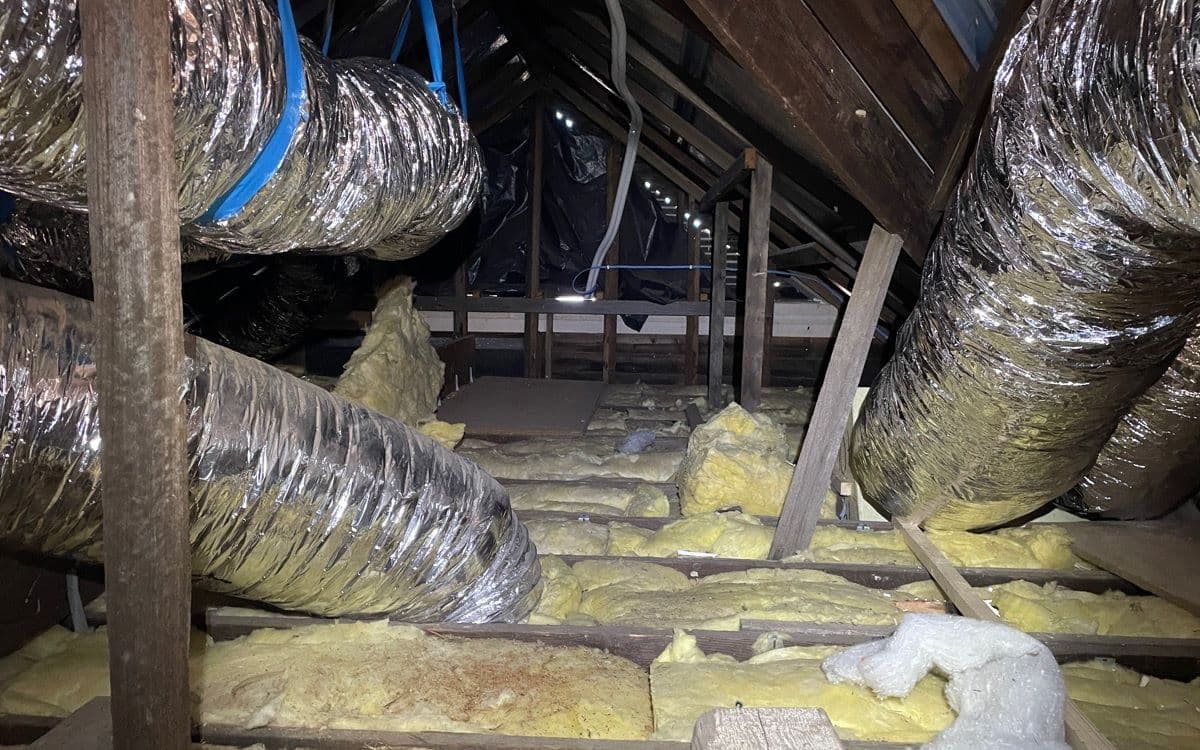
The best sized unit still disappoints if the air cannot reach the rooms. Your Home notes that ducts need to be larger if they also carry cooling, and should be well insulated and sealed. Long runs to far bedrooms are where an undersized duct shows first.
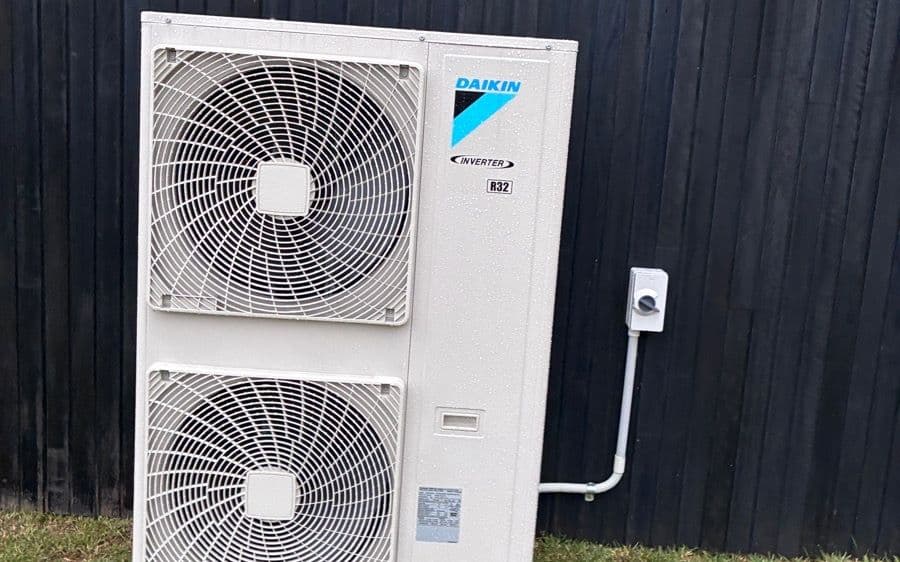
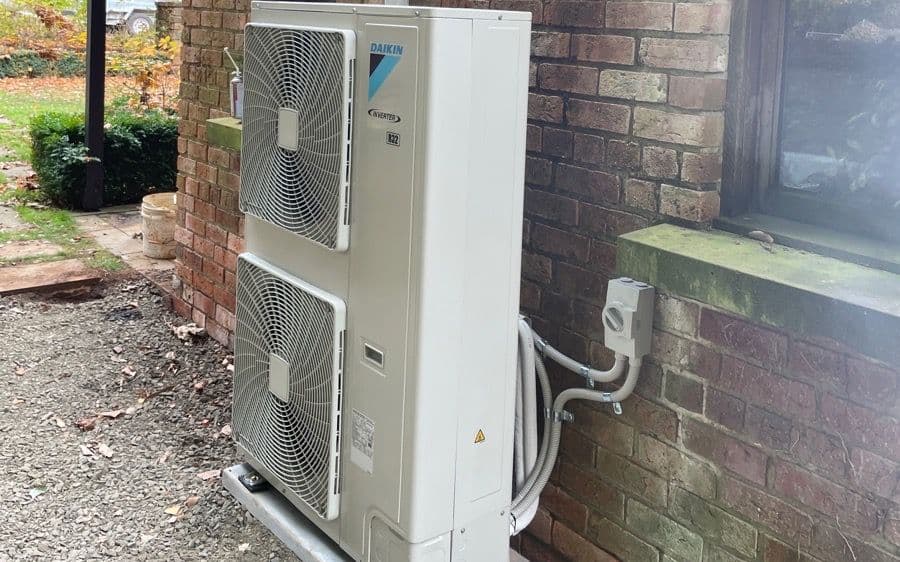
Outside, the unit needs somewhere it can breathe and drain. In frosty weather a heat pump runs defrost cycles, and that water has to drain away rather than turn to ice under the unit. Placement on a stand, clear of where leaf litter builds up, makes a real difference up here.
What we will ask you
When we come out to measure, we will ask what rooms you live in on a winter evening, what time you get up, how warm you like it, and whether anything is planned, like new windows or insulation. Then we size it, put it in writing, and explain why. Nothing is ordered until the system has been measured and quoted.
If you are comparing this with gas, ducted reverse cycle or gas ducted heating lays out the running costs. More on what we install is on our ducted page.
To book a measure up, use our contact page or ring 0417 734 206, Monday to Friday, 8:00am to 4:30pm.
Mick McDonaldSPA Refrigeration & Air Conditioning
Want a hand with yours?
We install and service heating, cooling and refrigeration across Central Victoria from our base in Hepburn.