
25 July 2026 · 4 min read
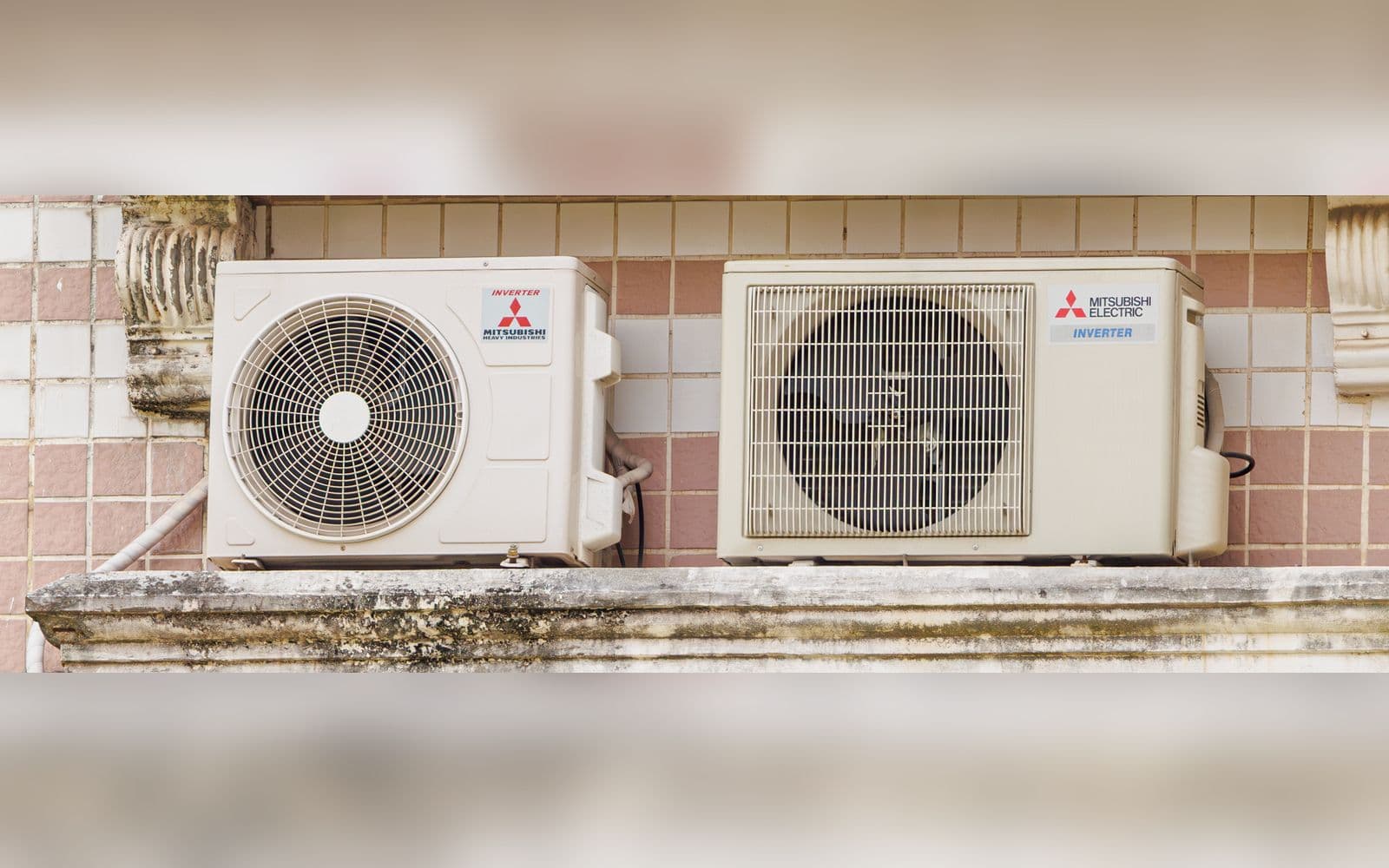
Mitsubishi Heavy, Daikin or Mitsubishi Electric
We install all three. Here is how they compare on range, cold weather heating and warranty, and the things that matter more than the badge.
By Mick McDonald, SPA Refrigeration
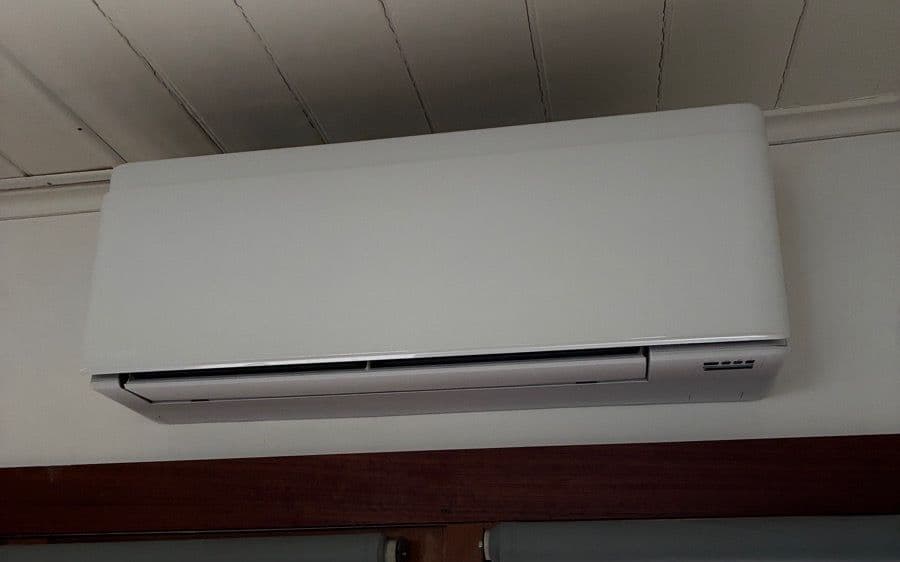
We put in all three of these brands, and we service all three, so we have no reason to talk one up. When someone in Kyneton or Castlemaine asks which is best, the honest answer is that each one makes a good reverse cycle split, and the choice usually comes down to the room, the features you care about and the fine print. Here is how they line up on what the makers publish at the time of writing.
What they have in common
The three are big, established makers, each with an Australian company behind the brand, its own support line and its own warranty paperwork. All three sell wall splits from small bedroom sizes up to large living area units, plus floor units, multi-splits and ducted systems. Daikin and Mitsubishi Electric both list R32 refrigerant on their current wall ranges, and every Mitsubishi Heavy model's spec sheet names its refrigerant.
So the gap between them is smaller than the advertising suggests. Where they differ is in how each range is shaped.
How each range is shaped
Mitsubishi Heavy Industries names its wall splits: Avanti (2.0 to 5.0 kW), Avanti Plus (2.0 to 6.0 kW), Bronte (6.3 to 10.0 kW), Ciara (1.5 to 7.1 kW) and Elouera. The very small 1.5 kW Ciara and the large Bronte stretch the range at both ends. Our guide to the MHI range goes into each one.
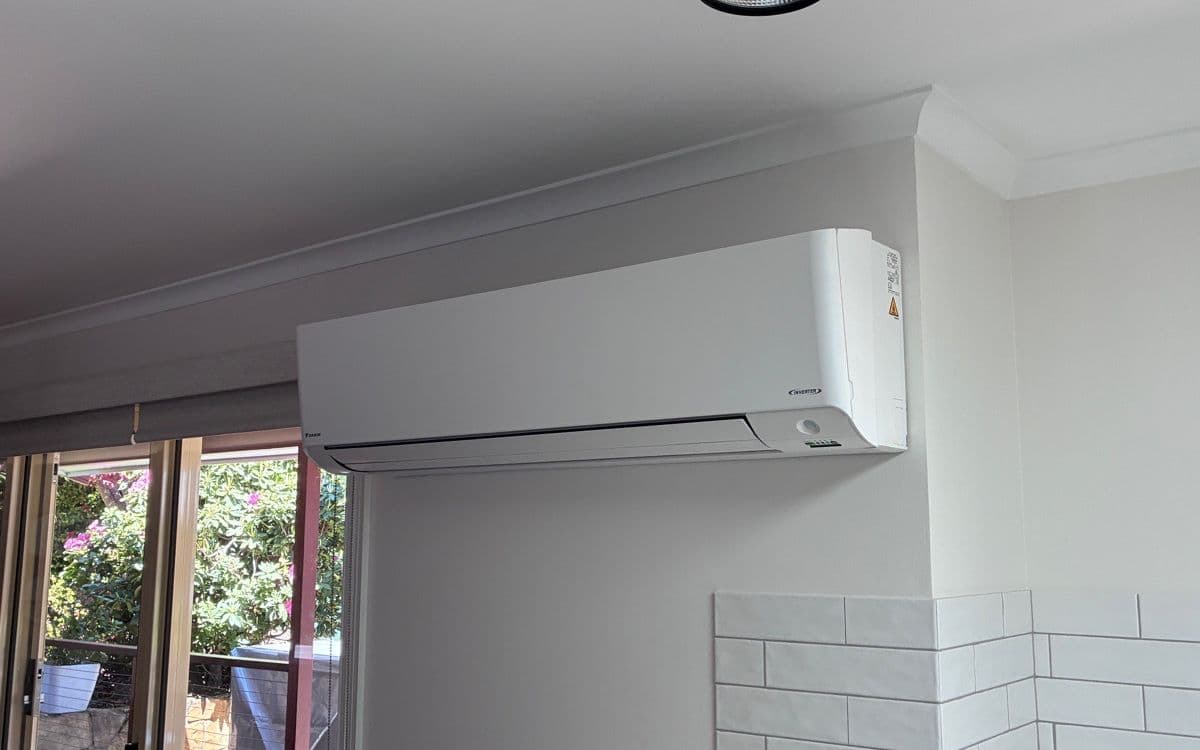
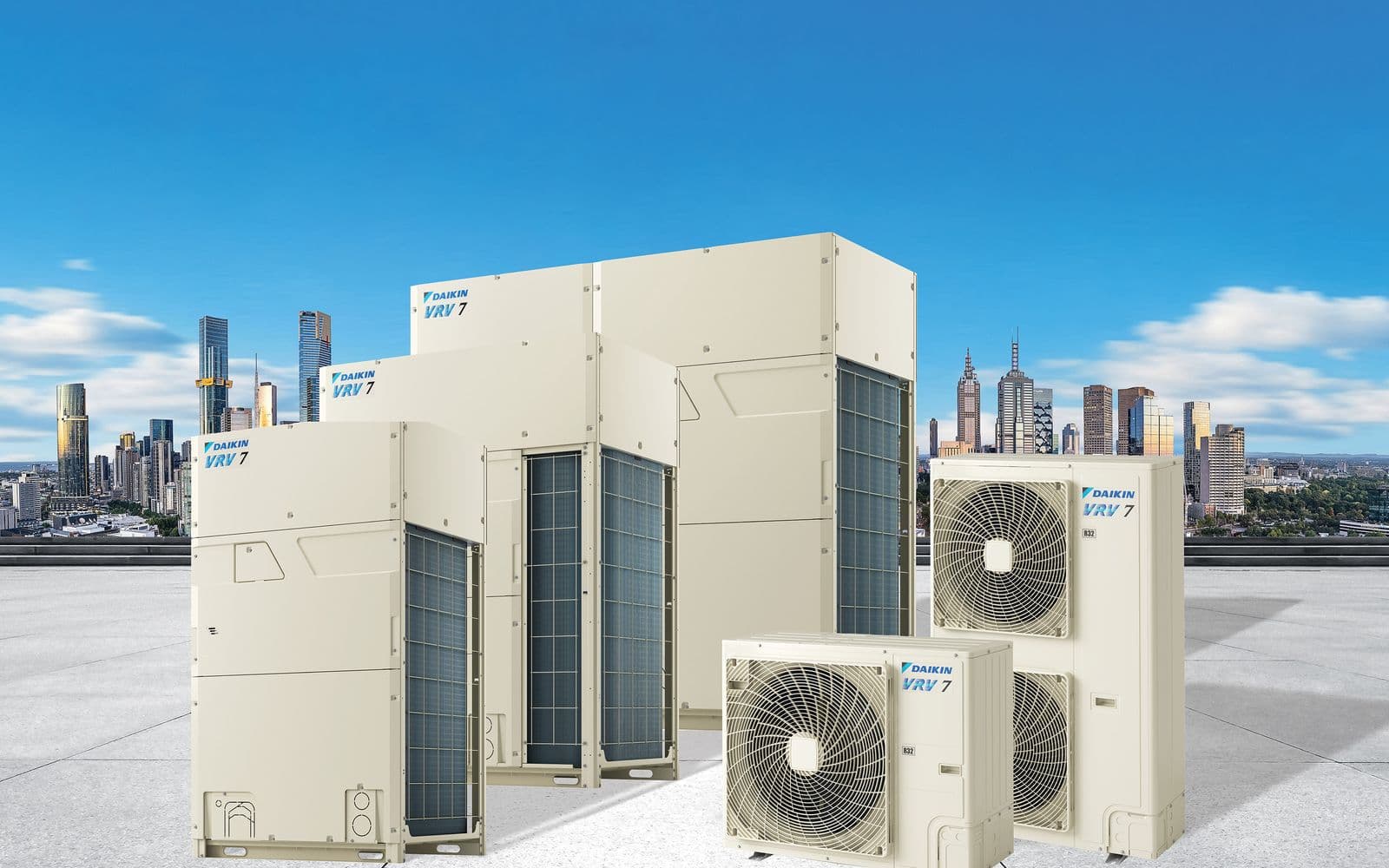
Daikin lists Zena, Alira X, Cora, FTXF, the XL and XL Premium for large open spaces, a floor standing range and the Lite systems. The Alira X runs from 2.2 to 7.1 kW with built in Wi-Fi and Daikin's Streamer air purifying technology, and Daikin says it has Heat Boost and a Long Time Heating mode for colder months. The Cora covers 2.0 to 7.1 kW, and the Zena 2.5 to 6.0 kW.
Mitsubishi Electric sells its wall splits by series code: MSZ-AP (2.5 to 7.8 kW), MSZ-LN (2.5 to 6.0 kW, with a 3D i-See Sensor that reads the room in sections), MSZ-EF, MSZ-GS and a 9 kW MSZ-AS90. For bigger rooms and small businesses there is the MR SLIM range, which we explain in Mitsubishi Electric Mr Slim explained.
Heating in the cold
This is the question that matters most around Daylesford and Trentham.
- Mitsubishi Electric lists a guaranteed heating range of minus 15 to 24 degrees outside on its MSZ-AP and MSZ-LN pages.
- Daikin's current split systems brochure lists a heating operating range of minus 15 to 18 degrees outside for the wall and floor ranges in it, measured as a wet bulb temperature.
- Mitsubishi Heavy publishes the heating range model by model, so we check the spec sheet for the exact unit before we quote it.
Those numbers are about whether the unit keeps running, not how much heat it makes when it gets there. For comparing heating, the energy rating label is fairer. It shows heating output at 7 and 2 degrees outside, and red heating stars for the hot, average and cold zones. The government guide to the label puts Melbourne in the cold zone, so read the cold band.
Warranty and the fine print
All three offer five years on their main residential split systems at the time of writing. The details differ.
- Daikin's warranty card lists five years parts and labour on splits and multis, with server room use at two years. Repairs are done by Daikin or a repairer it arranges, during normal business hours.
- Mitsubishi Electric lists five years parts and labour on its M, S and P series and City Multi, with server and communication room use at one year.
- MHIAA's warranty document, effective January 2025, lists five years on parts, labour and the compressor for most residential series, one year for non-human comfort use like beverage storage, and says warranty repairs must be done by a service agent MHIAA nominates.
If the unit will cool a cellar, a keg room or a comms cupboard rather than people, read that fine print first. All three treat it differently from a bedroom.
What matters more than the badge
In our experience, the system that works well in July is the one that was sized properly, put in the right spot and serviced. A well chosen unit from any of these three will do a better job than a badly placed unit from either of the others. When we measure up, we look at:
- The room's size, ceiling height, glass and insulation, and how it is used.
- Where the outdoor unit can sit so it drains and breathes in winter.
- Whether one larger head or two smaller ones will heat the space more evenly.
- Which features you will actually use, such as Wi-Fi, a motion sensor or a quiet night mode.
Then we quote the system that fits, and you can ask us to price an alternative brand if you have a preference. Nothing is ordered until you are happy.
To book a measure and quote for a split system, get in touch through our contact page or ring 0417 734 206, Monday to Friday, 8:00am to 4:30pm.
Mick McDonaldSPA Refrigeration & Air Conditioning
Want a hand with yours?
We install and service heating, cooling and refrigeration across Central Victoria from our base in Hepburn.